Brian De Palma
Brian Russell De Palma ([de ˈpalma]; born September 11, 1940) is an American filmmaker. A major figure of the New Hollywood generation, he is best known for his work in the suspense, crime, and psychological thriller genres in a career spanning more than five decades. De Palma became enraptured with filmmaking after seeing Orson Welles' Citizen Kane (1941) and Alfred Hitchcock's Vertigo (1958). After enrolling at Columbia University, he enrolled at the newly coed Sarah Lawrence College; once there, influences as various impressed upon De Palma the many styles and themes that would shape his work in the coming decades. Several of his first films has become cult classics. He made his breakthrough with Carrie (1976), which was adaptation of Stephen King's novel of the same name, gained him prominence as a young filmmaker. De Palma has since enjoyed commercial success with The Fury (1978), Dressed to Kill (1980), The Untouchables (1987), and Mission: Impossible (1996), making cult classics such as Scarface (1983), Carlito's Way (1992), and Femme Fatale (2002). As a young director, De Palma dreamed of being the "American Jean-Luc Godard". His style is allusive: he paid homage to Alfred Hitchcock in Obsession (1976), Dressed to Kill, and Body Double (1984); Blow Out (1981) is based on Michelangelo Antonioni's Blowup (1966); and Scarface, his remake of Howard Hawks' 1932 film, is dedicated to Hawks and Ben Hecht. De Palma's work has been criticized for its violence and sexual content but has also been championed by American critics such as Roger Ebert and Pauline Kael. Carrie has been inducted into the National Film Registry by the Library of Congress. In 2015, he was interviewed about his work in a well-received documentary by Noah Baumbach.
This article uses material from the Wikipedia article "Brian De Palma", which is released under the Creative Commons Attribution-Share-Alike License 3.0.
Connection Chains
- From Brian De Palma to You Made Me Love You (I Didn't Want To Do It) in 9 Steps
- From Rock N Roll to Brian De Palma in 8 Steps
- From Brian De Palma to Danny Thomas in 8 Steps
- From Brian De Palma to Keith Moon in 8 Steps
- From Brian De Palma to Leo Robin in 8 Steps
- From Brian De Palma to Paul Williams in 8 Steps
- From Brian De Palma to Rod Stewart in 8 Steps
- From Brian De Palma to Wackering Heights in 8 Steps
- From Brian De Palma to Bing Crosby in 7 Steps
- From Brian De Palma to Cast And Crew in 7 Steps
- From Brian De Palma to Dinah Washington in 7 Steps
- From Brian De Palma to Early Years in 7 Steps
- From Brian De Palma to Frank Sinatra in 7 Steps
- From Brian De Palma to Gus Kahn in 7 Steps
- From Brian De Palma to Louis Armstrong in 7 Steps
- From Brian De Palma to Marlene Dietrich in 7 Steps
- From Brian De Palma to Me Myself and I in 7 Steps
- From Brian De Palma to Mr. Richland's Favorite Song in 7 Steps
- From Brian De Palma to Patty Faralla in 7 Steps
- From Brian De Palma to Take 54 in 7 Steps
- From Quentin Tarantino to Brian De Palma in 6 Steps
- From Brian De Palma to Danny Kapilian in 6 Steps
- From Brian De Palma to Doris Day in 6 Steps
- From Brian De Palma to Eddie Cantor in 6 Steps
- From Brian De Palma to Gordon Jenkins in 6 Steps
- From Brian De Palma to Harold Arlen in 6 Steps
Connections
- Blow Out was directed by Brian De Palma
- Body Double was directed by Brian De Palma
- Brian De Palma directed Blow Out
- Brian De Palma directed Body Double
- Brian De Palma directed Carlito's Way
- Brian De Palma directed Carrie
- Brian De Palma directed Casualties of War
- Brian De Palma directed Dressed to Kill
- Brian De Palma directed Femme Fatale
- Brian De Palma directed Mission to Mars
- Brian De Palma directed Mission: Impossible
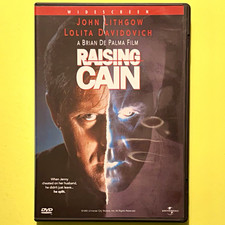
- Brian De Palma directed Raising Cain
- Brian De Palma directed Scarface
- Brian De Palma directed The Black Dahlia
- Brian De Palma directed The Bonfire of the Vanities
- Brian De Palma directed The Untouchables
- Brian De Palma directed The Wedding Party
- Brian De Palma directed Wise Guys
- Carlito's Way was directed by Brian De Palma
- Carrie was directed by Brian De Palma
- Casualties of War was directed by Brian De Palma
- Dressed to Kill was directed by Brian De Palma
- Femme Fatale was directed by Brian De Palma
- Mission to Mars was directed by Brian De Palma
- Mission: Impossible was directed by Brian De Palma
- Phantom of the Paradise was written and directed by Brian De Palma
- Raising Cain was directed by Brian De Palma
- Scarface was directed by Brian De Palma
- The Black Dahlia was directed by Brian De Palma
- The Bonfire of the Vanities was directed by Brian De Palma
- The Untouchables was directed by Brian De Palma
- The Wedding Party was directed by Brian De Palma
- Wise Guys was directed by Brian De Palma