Burton Lane
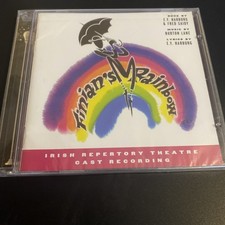
Burton Lane (born Levy; February 2, 1912 – January 5, 1997) was an American composer primarily known for his theatre and film scores. His most popular and successful works include the Broadway musicals Finian's Rainbow (1947) and On a Clear Day You Can See Forever (1965). Born in Manhattan, Lane was a talented performer and composer from childhood. His skill led to friendship with George Gershwin and the Gershwin family; Lane considered George to be his greatest influence. Lane began his career writing popular songs and music for Broadway shows in his teens. The Great Depression sent Lane to Hollywood, where he worked for Paramount Pictures and other studios for more than twenty years. He wrote songs with lyricists including Harold Adamson, Ralph Freed, and Frank Loesser. Some of their songs became popular successes and jazz standards, including "Everything I Have Is Yours", "I Hear Music" and "How About You?". Lane also claimed to have discovered Judy Garland performing with her sisters in a Hollywood theater. Lane resumed writing for Broadway in 1940. Besides Finian's Rainbow and On a Clear Day, he wrote music for several other shows, one of which, Carmelina (1979), was nominated for a Tony Award for Best Original Score. Though Lane had been prolific in Hollywood, his extreme care in choosing projects, and differences and difficulties with the lyricists with whom he worked, limited the number of his successes on Broadway. In later life Lane became a leader in his profession of songwriting. As a long-serving president of the American Guild of Authors and Composers and a director of ASCAP, he fought to preserve the ability of songwriters to earn royalties on their works.
This article uses material from the Wikipedia article "Burton Lane", which is released under the Creative Commons Attribution-Share-Alike License 3.0.
References
| Title | Summary | |
|---|---|---|
| How About You | ... ." The music was composed by Burton Lane . The song was ... | |
Connection Chains
- From Burton Lane to April 7 in 14 Steps
- From Harry Nilsson to Burton Lane in 12 Steps
- From Murray Adler to Burton Lane in 12 Steps
- From Klaus Voormann to Burton Lane in 12 Steps
- From Blackwood Music to Burton Lane in 12 Steps
- From Zip-A-Dee-Doo-Dah to Burton Lane in 12 Steps
- From Burton Lane to John Farnham in 12 Steps
- From Burton Lane to Sneaky Pete Kleinow in 12 Steps
- From Burton Lane to Baby Baby in 11 Steps
- From April 7 to Burton Lane in 11 Steps
- From The Story Of Rock And Roll to Burton Lane in 11 Steps
- From Kojak Columbo to Burton Lane in 11 Steps
- From Case of You to Burton Lane in 11 Steps
- From Gil Garfield to Burton Lane in 11 Steps
- From Poli High to Burton Lane in 11 Steps
- From Aerial Pandemonium Ballet to Burton Lane in 11 Steps
- From Loop de Loop to Burton Lane in 11 Steps
- From Good For God to Burton Lane in 11 Steps
- From Travelin' Man to Burton Lane in 11 Steps
- From Burton Lane to November 20 in 11 Steps
- From Burton Lane to Open Your Window in 11 Steps
- From Burton Lane to Bert Kalmar in 10 Steps
- From A Thousand Miles Away to Burton Lane in 10 Steps
- From Richard Starkey to Burton Lane in 10 Steps
- From Naomi Star to Burton Lane in 10 Steps
- From Jesse Ed Davis to Burton Lane in 10 Steps
Connections
- Burton Lane was born on February 2
- Burton Lane wrote How About You
- February 2 is the birthday of Burton Lane
- How About You was written by Burton Lane


![Finian's Rainbow... [CD] Burton Lane [*READ* EX-LIBRARY]](https://i.ebayimg.com/images/g/2BUAAeSw72hqm30X/s-l225.jpg "Finian's Rainbow... [CD] Burton Lane [*READ* EX-LIBRARY]")


